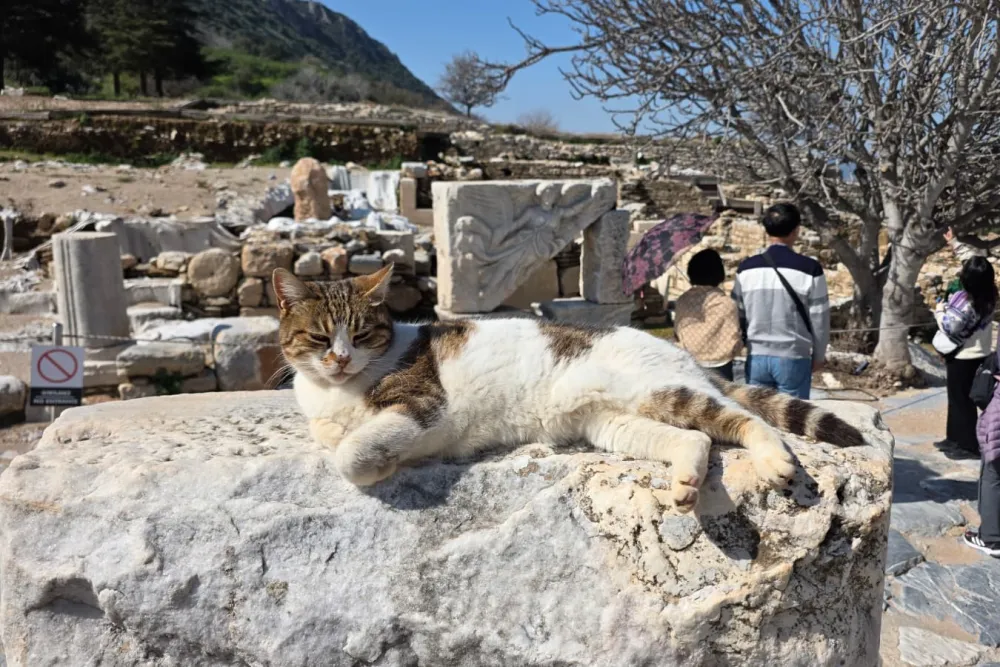
Cats in Turkey: A Unique Part of Everyday Life
One of the first things many visitors notice when traveling in Turkey is
the presence of cats. From the historic streets of Istanbul to quiet villages
and seaside towns, cats seem to be everywhere.
But unlike in many other countries, these cats are not seen as stray
animals. Instead, they are widely accepted as part of the community.
In Turkey, cats live freely among people — and they are often loved, fed,
and protected by locals.
Why Are There So Many Cats in Turkey?
The large population of street cats in Turkey has historical, cultural, and
practical roots.
For centuries, cats were valued for their ability to control rodents,
especially in port cities like Istanbul where food storage and shipping were
common. Their presence helped protect grain supplies and homes from pests.
Over time, cats became permanent residents of urban life.
Today, instead of being removed from the streets, many cats continue to
live freely while being cared for by neighborhoods.
Cats and Turkish Culture
In Turkish culture, kindness toward animals is widely encouraged. Feeding
animals in public spaces is considered a simple act of compassion.
You will often see:
-Small food bowls placed outside shops
-Water containers left on sidewalks
-Cat houses built by local communities
-Residents regularly feeding neighborhood cats
This culture of care creates a unique environment where cats are not owned
by one person but looked after by many.
The Famous Cats of Istanbul
Istanbul is especially known for its street cats. They wander through
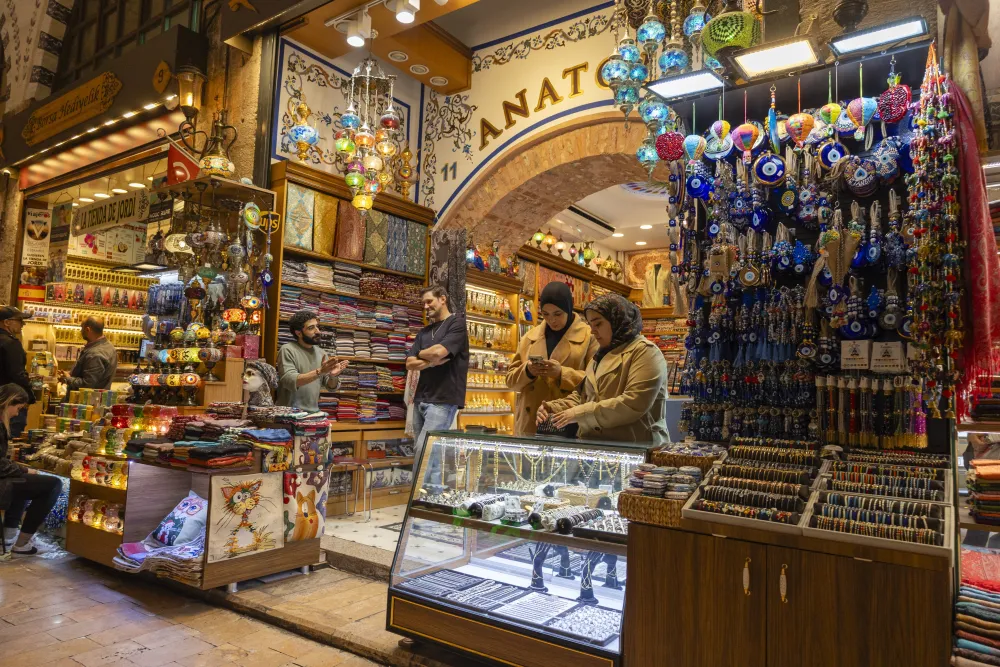
ancient courtyards, rest on café chairs, and sometimes even enter shops or
bookstores as if they belong there.
Visitors often find this charming because the cats appear confident and
relaxed around people.
In some neighborhoods, certain cats even become local celebrities known by
name.
This unusual relationship between humans and animals has become one of the
most memorable aspects of visiting Istanbul.
The Spiritual and Historical Connection
Cats also hold a respected place in the broader cultural history of the
region. Throughout Islamic tradition, cats are often viewed positively and
associated with cleanliness and gentleness.
Many historical stories describe cats being welcomed into homes and public
spaces.
This respectful attitude toward animals has influenced how Turkish society
interacts with cats today.
Cats as Silent Guardians of the City
Beyond their cultural charm, cats continue to play a practical role in
urban ecosystems. They help control rodents and maintain balance in city
environments.
Because of this, their presence is often seen as beneficial rather than
problematic.
In many ways, the cats of Turkey are quiet guardians of the streets.
Why Travelers Love the Cats of Turkey
For many travelers, the cats become an unexpected highlight of their
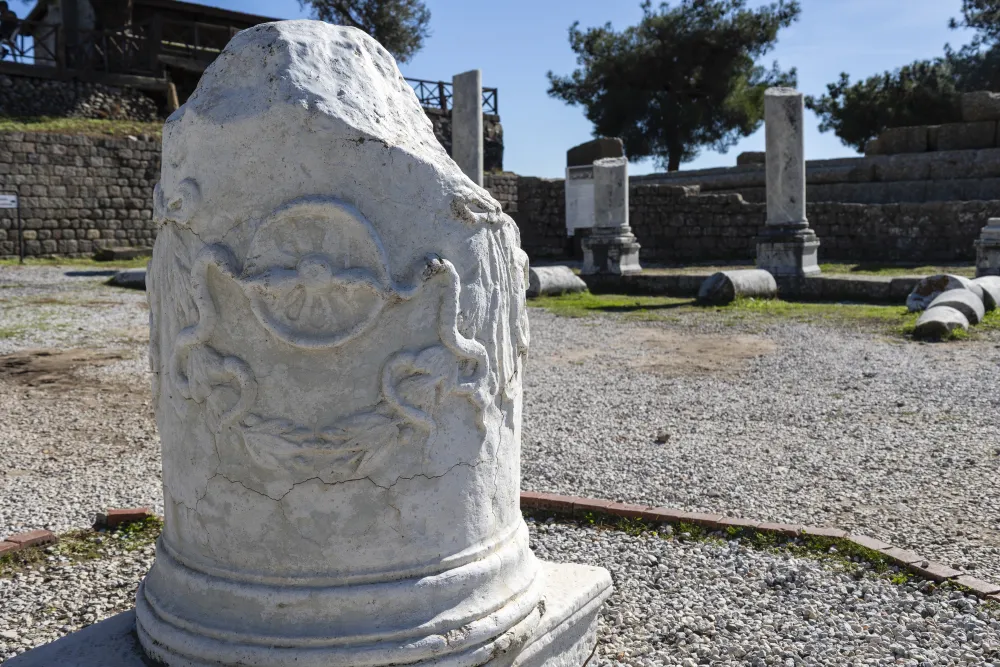
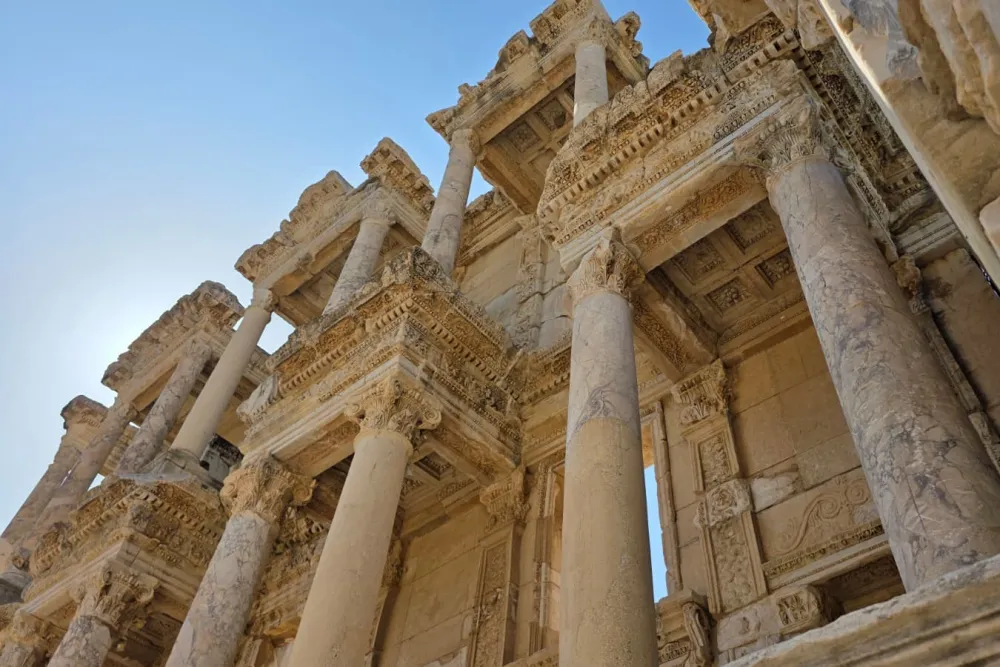
journey. Photographers love capturing them resting beside ancient ruins,
lounging in sunny courtyards, or watching the world pass by from a café chair.
These moments create a softer, more personal side of travel — one that
reflects everyday life rather than major landmarks.
It is not unusual for visitors to return home remembering a friendly street
cat just as clearly as a famous monument.
A Country Shared with Cats
The cats of Turkey represent something deeper than simply animals living in
cities. They reflect a culture that values coexistence, kindness, and everyday
compassion.
Walking through the streets of Istanbul, Cappadocia, or coastal towns, you
quickly realize that these cats are not outsiders.
They are part of the landscape.
And in many ways, they make the cities of Turkey feel even more alive.