There are places where
history is simply told — and there are places where history can be felt.
Ephesus, one of the most important ancient cities in the world, belongs to the
second category. Located on the western coast of Turkey, near the town of
Selcuk and close to Sirince village, Ephesus offers a journey through thousands
of years of civilization, architecture, and human stories.
A City of
Civilizations
Ephesus was founded
around the 10th century BC and was ruled by Greeks, Romans, Byzantines, and
Ottomans over time. It was once a major trade center and one of the largest
cities in the Roman Empire — some historians estimate that up to 250,000 people
lived here. Today, only ruins remain, but they are remarkably well-preserved,
making it possible to imagine what life was like thousands of years ago.
Must-See Highlights
Walking through Ephesus
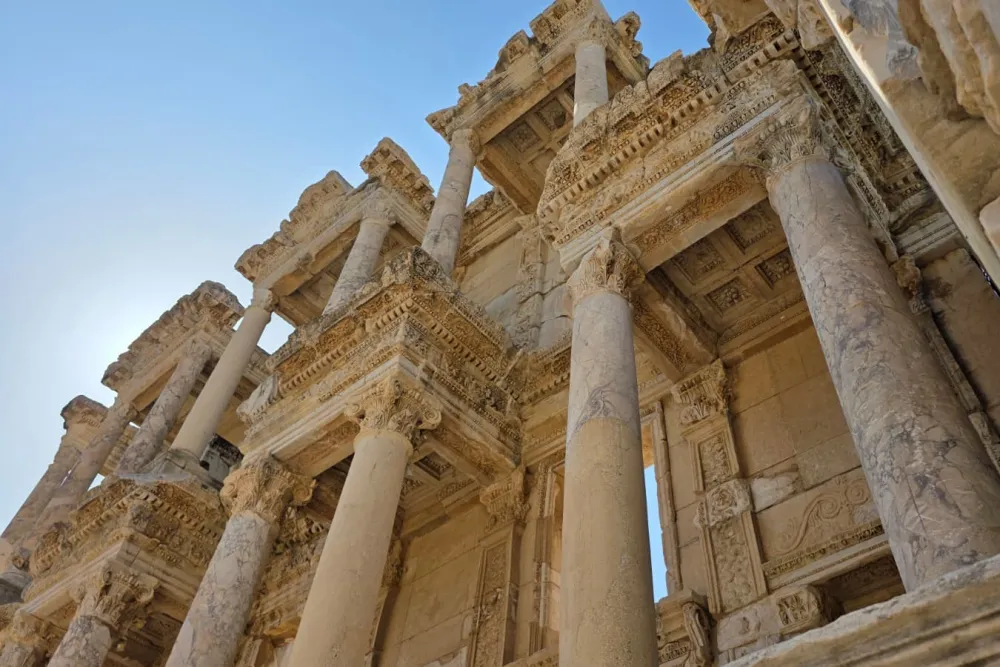
feels almost like walking through an open-air museum. Some of the most
impressive landmarks include:
A Touch of Everyday
Life
Ephesus is impressive for
its size, but also for its small details. Public baths, ancient toilets,
mosaics, and shops give us a glimpse into everyday life. Archaeologists believe
that Ephesus was one of the first cities to have a sewer system and street lighting
— quite advanced for its time.
As you walk through the
ruins, you might notice inscriptions on stones, symbols on walls, or even small
carvings left behind by local artisans. These details help bring the ancient
world to life, making it feel a little less distant.
Tips for Visiting
Nearby Places
Ephesus is often combined
with other nearby attractions:
A Journey You Won’t
Forget
What makes Ephesus
unforgettable isn’t just its scale — it’s the sensation of walking where
ancient people once walked, standing where speeches were made, or imagining the
sound of applause in the Great Theater. Even after leaving, many travelers say
they still picture the marble streets in their minds.
Ephesus is more than an archaeological site. It’s a reminder of how civilizations rise, fall, and leave behind their stories. And if you're curious enough to listen, the stones of Ephesus still have something to say.