Gallipoli is one of the
most emotionally powerful places in Turkey, known not only for its natural
beauty but also for its deep historical significance. Located along the
Dardanelles, the Gallipoli Peninsula is where one of the most defining
campaigns of the First World War took place. Today, it stands as a place of
remembrance, reflection, and shared history for people from many nations.
The Historical
Importance of Gallipoli
The Gallipoli Campaign of
1915 marked a turning point in modern history. What began as a strategic
military operation became a prolonged and devastating conflict that deeply
affected all sides involved. Soldiers from the Ottoman Empire, Australia, New
Zealand, Britain, and other nations fought under extremely harsh conditions.
The campaign ultimately shaped national identities and left a lasting impact
that is still felt today.
ANZAC Cove and the
Landing Sites
One of the most
well-known locations on the peninsula is ANZAC Cove, where Australian
and New Zealand forces landed in April 1915. The narrow beach and steep
surrounding hills reveal the challenges faced by soldiers from the very first
moments of the campaign. Walking along this coastline helps visitors better
understand the geography that played such a crucial role in the outcome of the
battles.
Chunuk Bair and
Strategic Heights
The high ridges of
Gallipoli were among the most fiercely contested areas. Chunuk Bairholds particular importance as one of the key objectives during the campaign.
From these heights, the views stretch across the peninsula and the Dardanelles,
making it clear why control of the terrain was so vital. Today, the area is
marked by memorials that honor those who fought and fell there.
Lone Pine and National
Memorials
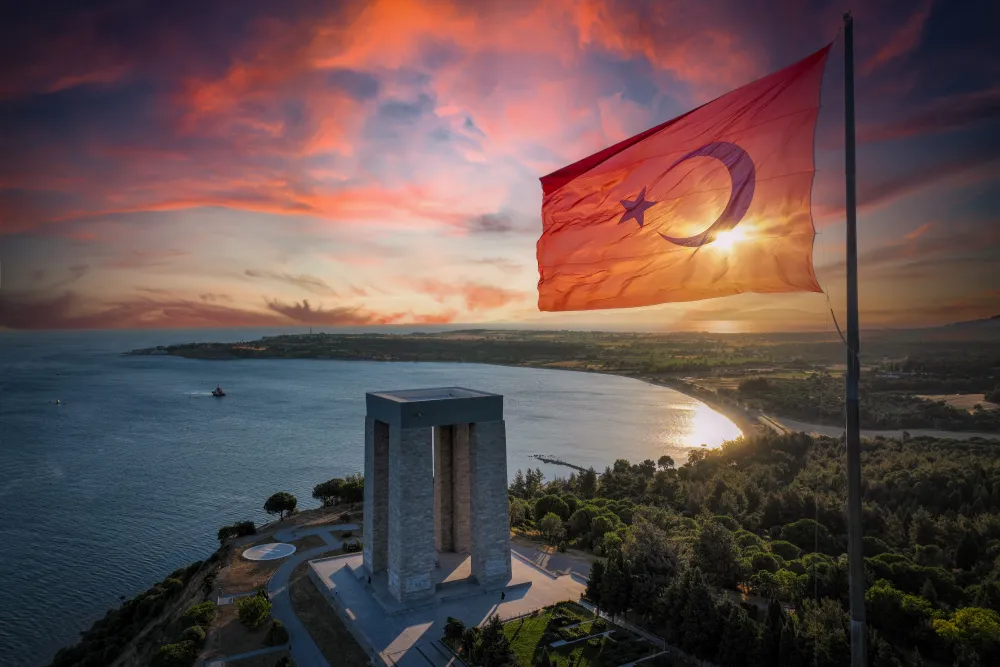
The Lone Pine Memorialis one of the most visited sites in Gallipoli, commemorating Australian
soldiers who lost their lives during the campaign. Nearby, memorials dedicated
to Turkish, British, and other forces stand quietly among pine trees and open
fields. These sites emphasize not victory or defeat, but remembrance and
respect for human sacrifice.
Atatürk and the
Message of Peace
Gallipoli also holds a
special place in Turkish history as the site where Mustafa Kemal Atatürkemerged as a respected military leader. His later words honoring the fallen
soldiers of all nations reflect the spirit that defines Gallipoli today. Rather
than division, the peninsula represents reconciliation, mutual respect, and
shared mourning across cultures.
The Landscape of the
Peninsula
Beyond its historical
importance, Gallipoli is a place of striking natural beauty. Rolling hills,
quiet beaches, and calm seas contrast deeply with the events that once unfolded
here. This peaceful landscape encourages visitors to slow down, reflect, and
absorb the meaning of the site rather than simply move from one monument to
another.
Visiting Gallipoli
Today
Gallipoli is preserved as
a national historical park, allowing visitors to explore battlefields,
cemeteries, and memorials with care and dignity. Information panels and walking
paths help provide context, but the experience itself is often personal and emotional.
Many visitors describe Gallipoli as one of the most moving places they visit in
Turkey.
Final Thoughts
Gallipoli is not just a historical destination; it is a place that speaks to shared humanity, loss, and remembrance. Visiting the peninsula offers a deeper understanding of history and a powerful reminder of the cost of war. Its quiet landscapes and meaningful memorials leave a lasting impression on all who come, making Gallipoli one of Turkey’s most profound and unforgettable sites.