Hagia Sophia is not
simply one of Istanbul’s most famous landmarks.
It is a structure that reflects the city’s entire historical journey — from
empire to empire, belief to belief.
Few places in the world
carry so many layers of meaning within a single space.
What Is Hagia Sophia?
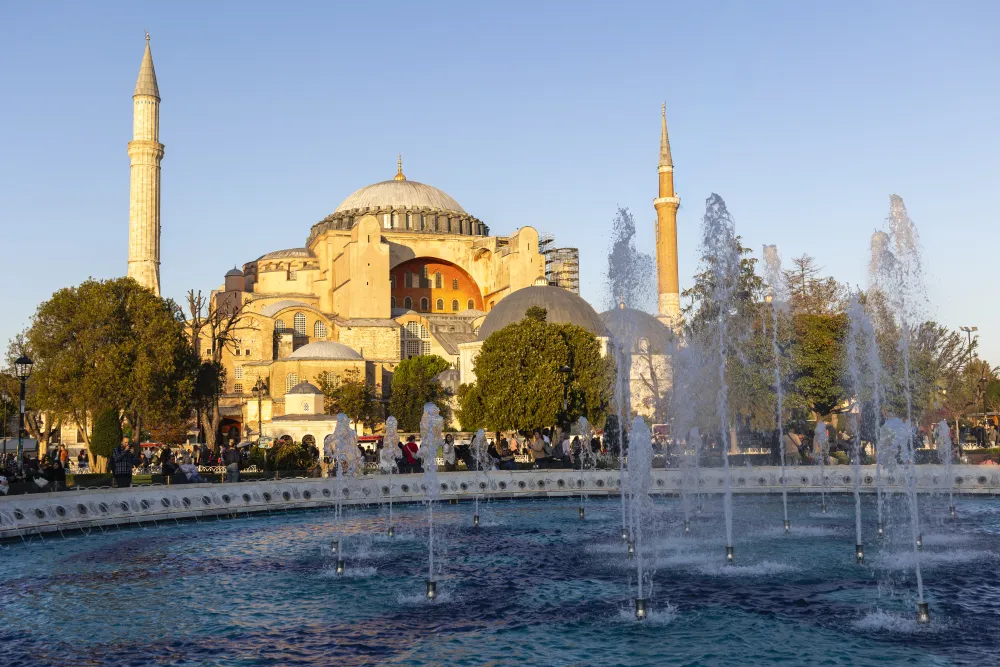
Hagia Sophia was
originally built in the 6th century as a cathedral during the Byzantine Empire.
For centuries, it stood as the largest church in the world.
Following the Ottoman
conquest of Constantinople, it was converted into a mosque, later served as a
museum, and today functions again as a mosque — while remaining open to
visitors.
This continuous
transformation is what makes Hagia Sophia truly unique.
Why Hagia Sophia Is
Included in Istanbul Tours
Hagia Sophia represents a
turning point in world history.
Standing inside, visitors
can see how architecture, religion, and politics intersected over centuries.
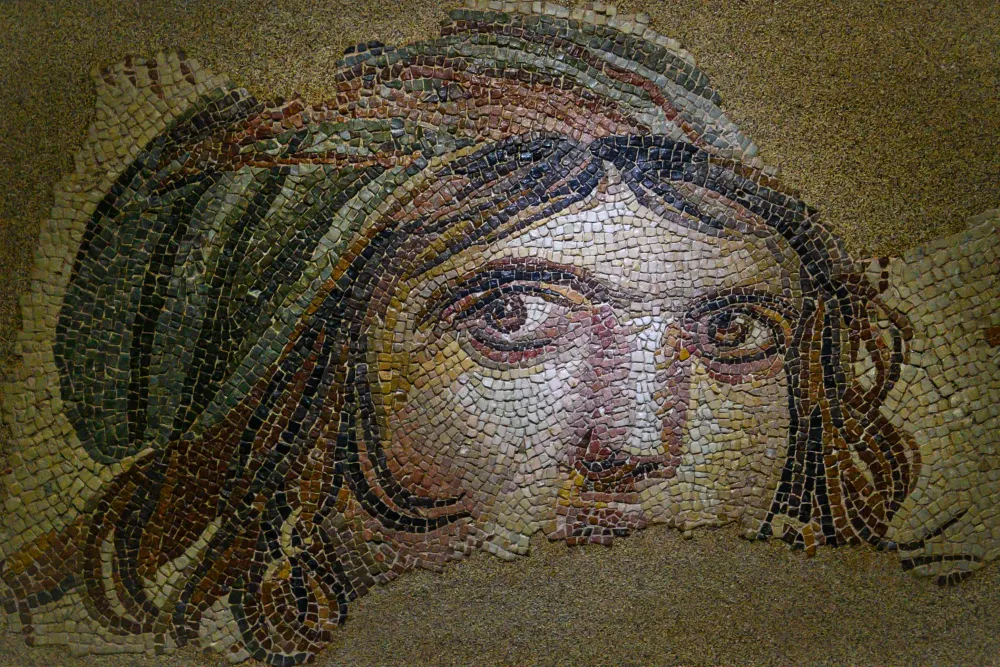
Mosaics, massive domes, calligraphy, and structural innovations exist side by
side, creating a space that tells multiple stories at once.
It is a place where
history is not explained — it is experienced.
Architectural
Significance Beyond Its Time
The dome of Hagia Sophia
was revolutionary when it was built.
Its scale, engineering,
and use of light influenced religious architecture for centuries, inspiring
both churches and mosques around the world.
Even today, the interior
feels open, balanced, and surprisingly modern.
A Place of Quiet
Contrast
Despite its size and
fame, Hagia Sophia often feels calm.
Light filters through
high windows, footsteps echo softly, and visitors naturally lower their voices.
This atmosphere encourages reflection rather than movement — making it
different from many crowded landmarks.
The Value of Context
Without explanation,
Hagia Sophia can feel overwhelming.
With context, details
come to life:
Understanding these
layers allows visitors to appreciate the monument beyond its appearance.
Respectful Visiting
As an active place of
worship, Hagia Sophia requires respectful behavior:
These elements add
authenticity rather than limitation.
Why Hagia Sophia
Leaves a Lasting Impression
Many visitors leave Hagia
Sophia with a sense of perspective.
It is not only about
beauty or size, but about continuity — how a single building can adapt,
survive, and remain relevant across centuries.
Final Thoughts
Hagia Sophia is not
defined by one era, one belief, or one function.
It stands as a reminder that Istanbul’s identity is layered, complex, and deeply human. Experiencing Hagia Sophia provides insight not only into the city’s past, but into how history continues to shape the present.