Discover Mevlana Museum in Konya, the resting place of Rumi and one of the
most spiritual and important cultural sites in Turkey.
Some places are visited for history, others for architecture.
Mevlana Museum is visited for something deeper: A feeling, a silence, a
sense of reflection that begins the moment you enter.
The Resting Place of Rumi
Located in the heart of Konya, the Mevlana Museum
is the resting place of Rumi, known in Turkey as Mevlana. Rumi was: a poet, a
philosopher, a spiritual teacher, and one of the most influential figures in
Sufism. Even centuries later, his words continue to resonate around the world.
This is why the Mevlana Museum in Konya attracts visitors from every
culture and background.
More Than a Museum
Although it is called a museum, the space feels
very much alive. People do not come here only to observe. They come to: reflect,
pray, slow down, connect with something beyond the physical space
The atmosphere is quiet, respectful, and deeply emotional.
The Iconic Green Dome
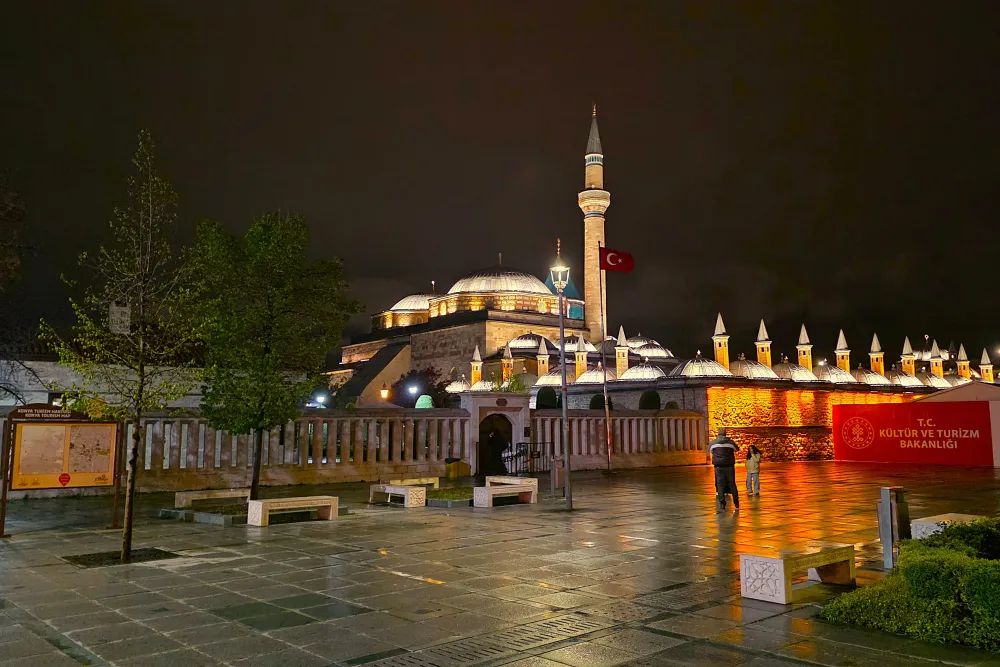
One of the most recognizable features of the museum is its green-tiled
dome. Visible from a distance, it has become a symbol of Konya itself. Beneath
this dome lies the tomb of Rumi, covered in embroidered fabrics and surrounded
by centuries of devotion and reverence. It is one of the most important
spiritual landmarks in Turkey.
The World of the Whirling Dervishes
The Mevlana Museum is also closely connected to
the tradition of the Whirling Dervishes. This spiritual practice, known
as the Sema ceremony, represents: inner journey, spiritual elevation, harmony
with the universe. The flowing white robes and slow circular movements are not
performances in the traditional sense — they are acts of meditation and
devotion.
This is an essential part of Sufi culture in Turkey.
Walking Through the Courtyard
As you move through the museum complex, you’ll
notice: stone courtyards, quiet prayer spaces, wooden details, handwritten
manuscripts, historical musical instruments. Every section feels intentional, nothing
rushes you.
A Place Defined by Atmosphere
The experience of the Mevlana Museum is difficult
to describe through architecture alone. What stays with people is often: the
scent of incense and old wood, the sound of soft footsteps, the calmness inside
the halls. It’s one of the rare places where silence becomes part of the
experience.
A Photographer’s Perspective
Your photos will naturally capture the emotional atmosphere of the museum.
The site offers: elegant architectural symmetry, soft
interior lighting, detailed Islamic art, strong contrasts between shadow and
color.
Especially focus on: courtyard perspectives, calligraphy
details, reflections and quiet moments
Why Mevlana Still Matters Today
Rumi’s teachings continue to speak to people
because they focus on universal ideas: love, tolerance, humility, inner peace. His
message moves beyond religion or geography. That is why visitors often leave
the museum feeling something personal, even if they arrive simply out of
curiosity.
Visiting Mevlana Museum as Part of a Turkey Journey
Konya is often experienced differently from
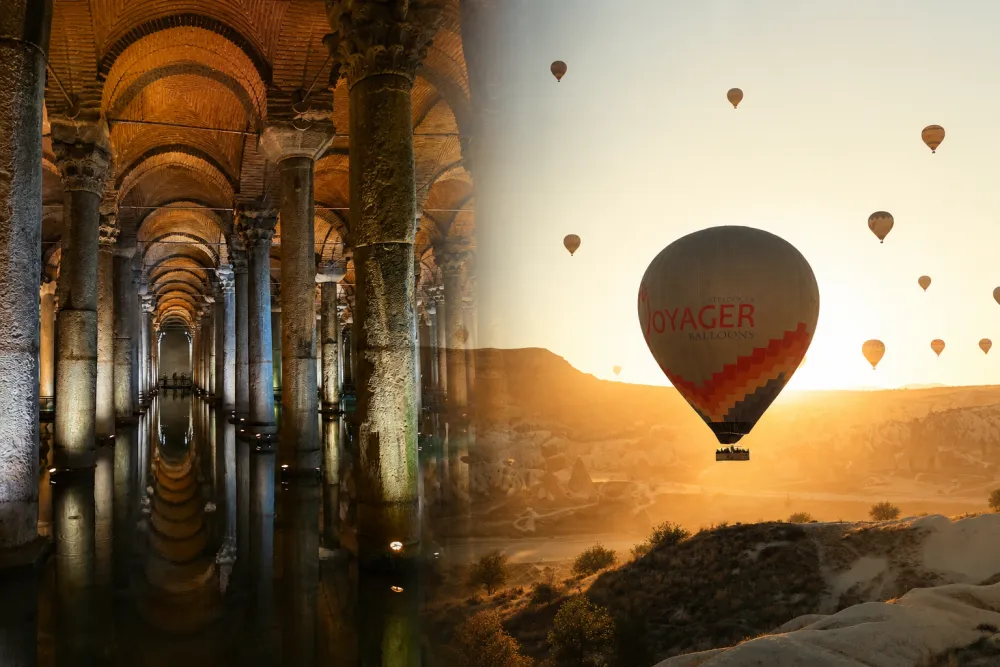
Istanbul or Cappadocia. It offers: a slower rhythm, deeper spirituality, a
stronger connection to Anatolian tradition. Including the Mevlana Museumin a Turkey itinerary adds an entirely different dimension to the journey.
If you would like to explore Konya and experience the spiritual and
cultural heritage of the region,
our private Turkey tours can include carefully designed visits to Mevlana
Museum and other historical highlights.
Final Thoughts
Some places impress you visually, others stay with you emotionally. Mevlana Museum belongs to the second. It is not only a place to visit — it is a place to pause, reflect, and feel.