Discover Turkish bread culture, from traditional village bread to fresh
simit and pide, and why bread holds a special place in everyday life in Turkey.
In Turkey, bread is never just bread, it arrives warm. Placed at the center
of the table almost automatically. Torn by hand, shared without thought.
Bread in Turkey is not treated as a side dish — it is part of life itself.
The Smell That Fills the Street
There are certain smells that define a place. In Turkey, one of them is
fresh bread.
Walk through almost any neighborhood in the
morning and you’ll notice it: bakeries opening early, trays moving in and out
of ovens, warm bread carried home under people’s arms.
This daily rhythm is part of Turkish bread culture.
Bread at Every Meal
Bread appears everywhere in Turkish cuisine. Breakfast – Lunch - Dinner.
It accompanies: olives and cheese in the morning, soups
and kebabs at lunch, long evening meals shared with family. Even the simplest
table rarely feels complete without it.
This is why bread in Turkey carries cultural meaning far beyond
food.
Different Types of Turkish Bread
Across the country, bread changes depending on region and tradition. Some
of the most well-known types include:
Pide Soft, slightly flat
bread often served warm with meals.
Simit A sesame-covered bread
ring commonly eaten on the streets of Istanbul.
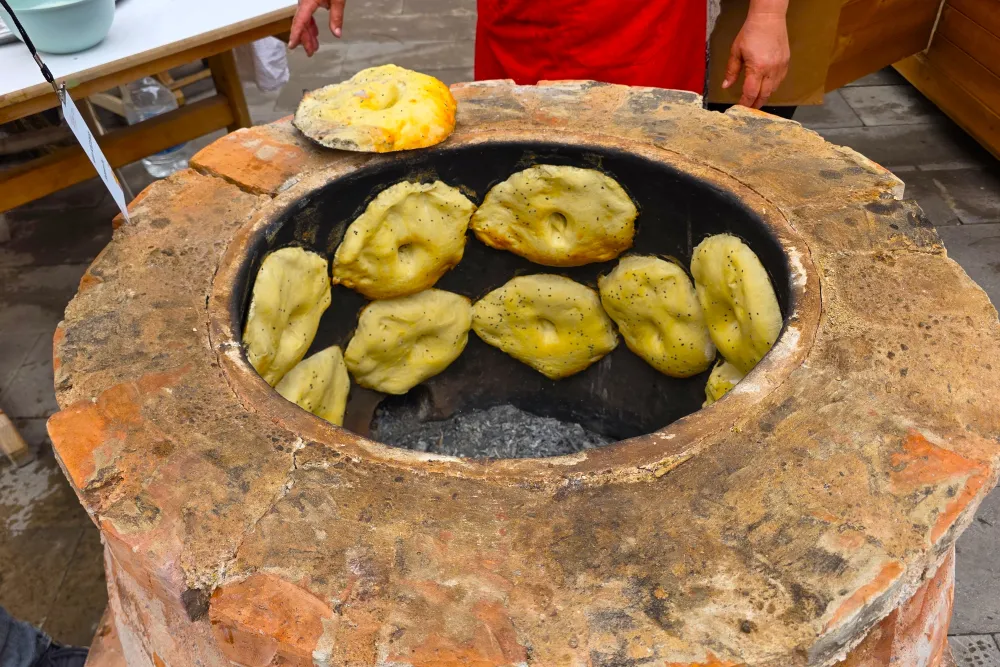
Village Bread (Köy Ekmegi) Dense,
rustic bread traditionally baked in stone ovens.
Lavash and Thin Flatbreads Light
breads often prepared by hand in rural areas.
Together, they reflect the diversity of traditional Turkish bread.
Bread as Hospitality
In Turkey, offering bread is closely connected to welcoming people. A table
with bread feels open.
Someone tears a piece and passes it across the table, another plate arrives,
tea follows.
Bread becomes part of the experience of Turkish hospitality.
A Tradition Rooted in Simplicity
One of the beautiful things about Turkish bread is its simplicity. Flour – Water
– Yeast - Time.
And yet, the result carries: warmth, texture, memory
Sometimes the simplest foods become the most meaningful.
The Ritual of the Bakery
Local bakeries are still an essential part of daily life in Turkey.
People stop by: early in the morning, before
dinner, on the way home
Fresh bread is rarely bought for days ahead.
It is expected to be fresh, warm, and shared.
A Photographer’s Perspective
Your photos will naturally carry warmth and texture in this subject.
Turkish bread photography works beautifully with: flour-covered
surfaces, warm oven light, rustic wooden tables, close-up texture details, hands
tearing bread naturally
Especially focus on steam, texture, and human interaction.
Bread Beyond Food
Bread in Turkey also carries emotional and symbolic meaning.
It represents: effort, sharing, abundance, daily
life. Even language reflects this importance.
Bread is often associated with: livelihood, gratitude,
respect for food
This cultural connection remains deeply rooted across generations.
A Taste That Feels Familiar
Even for first-time visitors, Turkish bread often feels comforting.
Perhaps because it is made slowly, perhaps because it is shared so
naturally or perhaps because warmth — both literal and emotional — is built
into the experience.
Final Thoughts
Some foods are remembered because they are complex. Turkish bread is remembered because it is honest. Warm from the oven, shared at the table, present in everyday life. And sometimes, that simplicity says everything about a culture.