Turkish coffee is far more than just a drink—it is an important cultural
tradition that has been part of daily life in Turkey for centuries. Known for
its rich flavor, unique preparation method, and social significance, Turkish
coffee culture represents hospitality, conversation, and connection.
One of the most fascinating aspects of this tradition is Turkish coffee
fortune telling, a centuries-old practice where people interpret symbols
left by coffee grounds inside the cup. For visitors traveling to Turkey,
experiencing Turkish coffee and its fortune telling tradition offers a
memorable glimpse into local culture.
The Origins of
Turkish Coffee
The history of Turkish coffee dates back to the 16th century during the
Ottoman Empire. Coffee was introduced to Istanbul and quickly became an
essential part of social life.
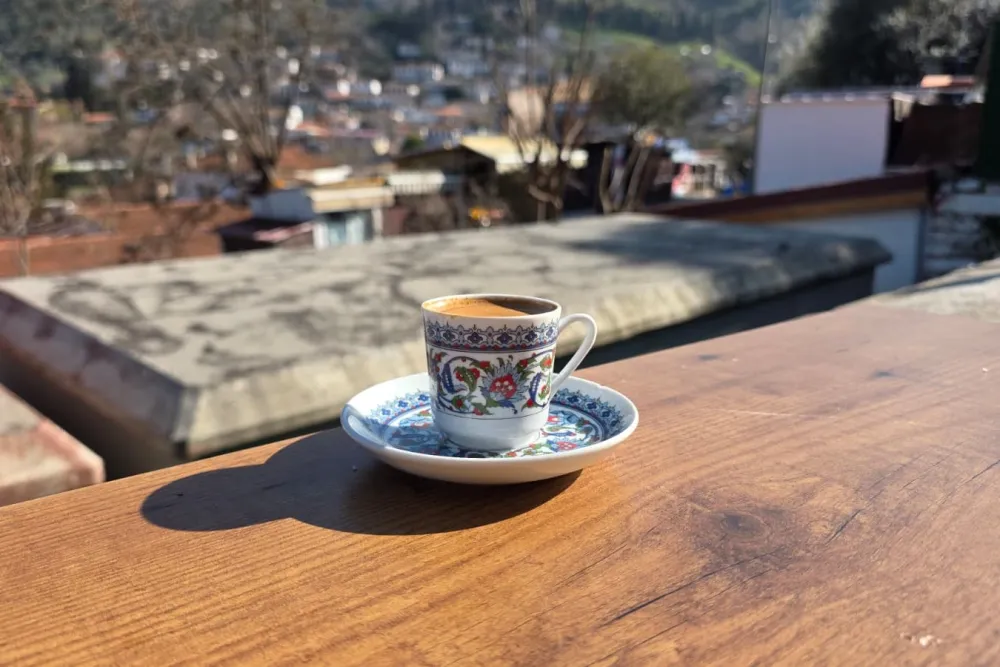
Prepared using finely ground coffee beans and brewed slowly in a small pot
called a cezve, Turkish coffee is known for its thick foam and intense flavor.
Unlike many other coffee styles, it is served unfiltered, allowing the
grounds to settle at the bottom of the cup. Traditionally, it is accompanied by
a glass of water and often a piece of Turkish delight.
Today, Turkish coffee is recognized as an important cultural heritage and
continues to play a central role in Turkish hospitality.
A Symbol of
Hospitality and Social Connection
In Turkey, offering coffee to guests is a long-standing symbol of
hospitality. Sharing a cup of coffee often means taking time to talk, relax,
and enjoy meaningful conversation.
Traditional coffeehouses, known as kahvehane, have historically been
gathering places where people discuss daily life, politics, literature, and
culture.
Even today, enjoying Turkish coffee with friends or family remains an
important part of social life across the country.
The Tradition
of Turkish Coffee Fortune Telling
One of the most intriguing elements of Turkish coffee culture is the
tradition of coffee fortune telling, known in Turkish as “kahve falı.”
After finishing the coffee, the cup is placed upside down on the saucer and
allowed to cool. Once opened, the shapes formed by the coffee grounds are
interpreted as symbols that may represent future events, relationships, or
personal journeys.
While often seen as a fun and social activity rather than a serious
prediction, coffee fortune telling has become a beloved cultural ritual.
Friends frequently gather to drink coffee and read each other’s fortunes,
turning a simple coffee break into a moment of curiosity and storytelling.
Turkish Coffee
in Modern Culture
Today, Turkish coffee continues to thrive in both traditional settings and
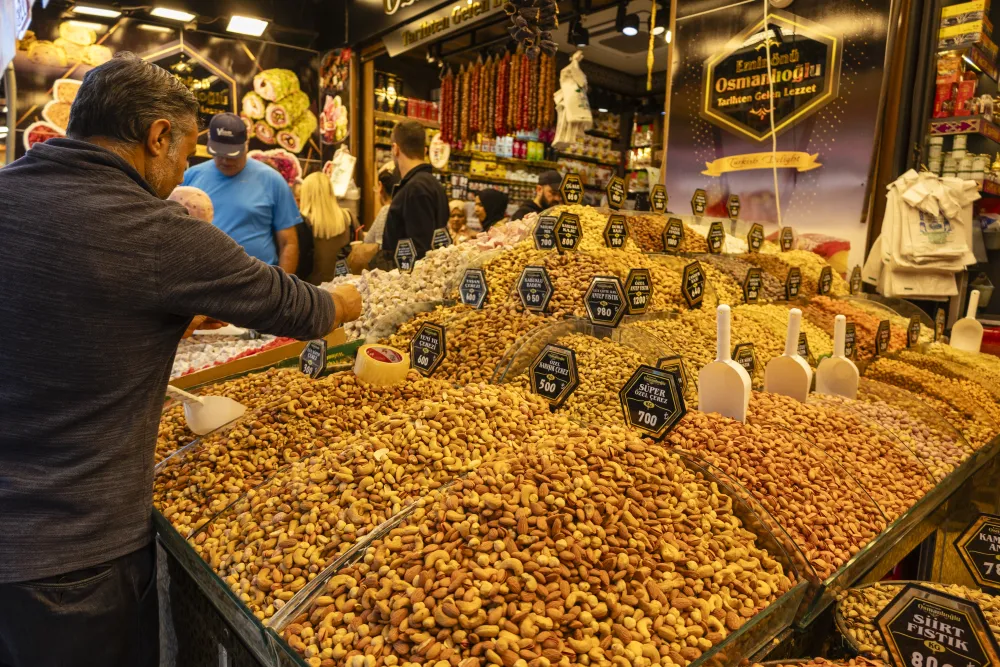
modern cafés. Across Turkey, visitors can experience this unique drink in
historic coffeehouses, local markets, or stylish urban cafés.
The tradition remains an important cultural symbol and is even recognized
by UNESCO as part of the Intangible Cultural Heritage of Humanity.
For travelers, enjoying a cup of Turkish coffee offers a small but
meaningful connection to the country’s history, hospitality, and everyday life.
Experience Turkish Coffee in Turkey
No visit to Turkey is complete without experiencing the ritual of authentic
Turkish coffee. Whether enjoyed in a historic café in Istanbul, a small village
tea house, or a lively local market, this centuries-old tradition continues to
bring people together.
From its rich flavor to the fascinating tradition of fortune telling,
Turkish coffee offers visitors a unique cultural experience that reflects the
warmth and spirit of Turkish hospitality.
If you are planning a journey through Turkey, be sure to take a moment to sit down, sip slowly, and perhaps even discover what the coffee grounds reveal about your future.