Discover Turkish tea (cay) in Turkey — its history, cultural meaning, how
it’s served, and why tea is at the heart of daily life and hospitality.
Turkish Tea (Cay) in Turkey: More Than Just a Drink
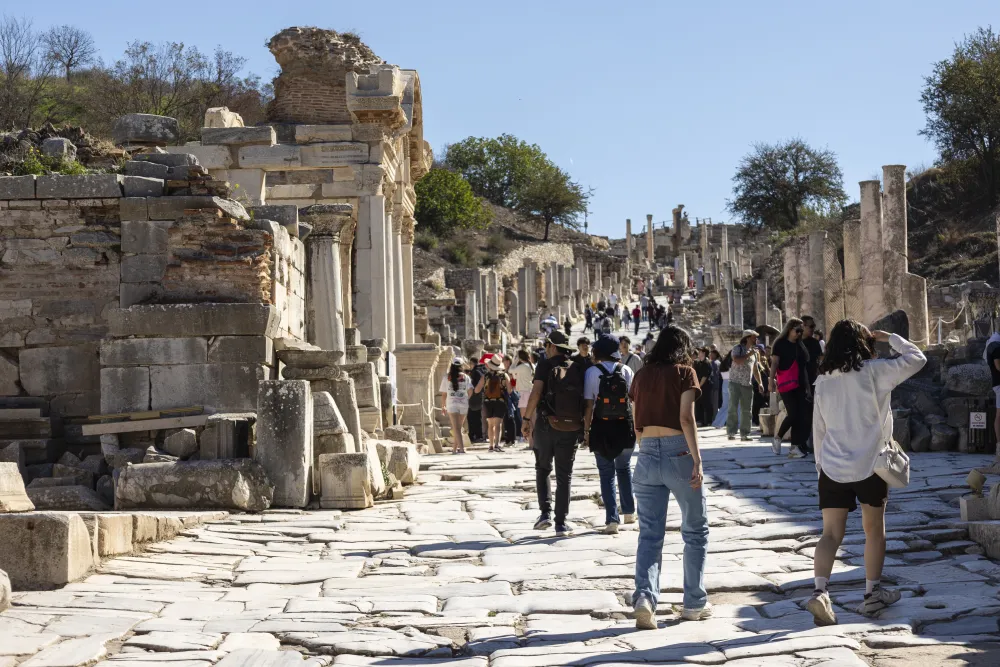
When travelers think of Turkey, they often imagine ancient ruins, vibrant
bazaars, and breathtaking landscapes. But there is one experience that quietly
connects them all: Turkish tea, known locally as çay.
In Turkey, tea is not simply a beverage. It is a symbol of hospitality,
conversation, friendship, and daily life. Whether you are in a small village in
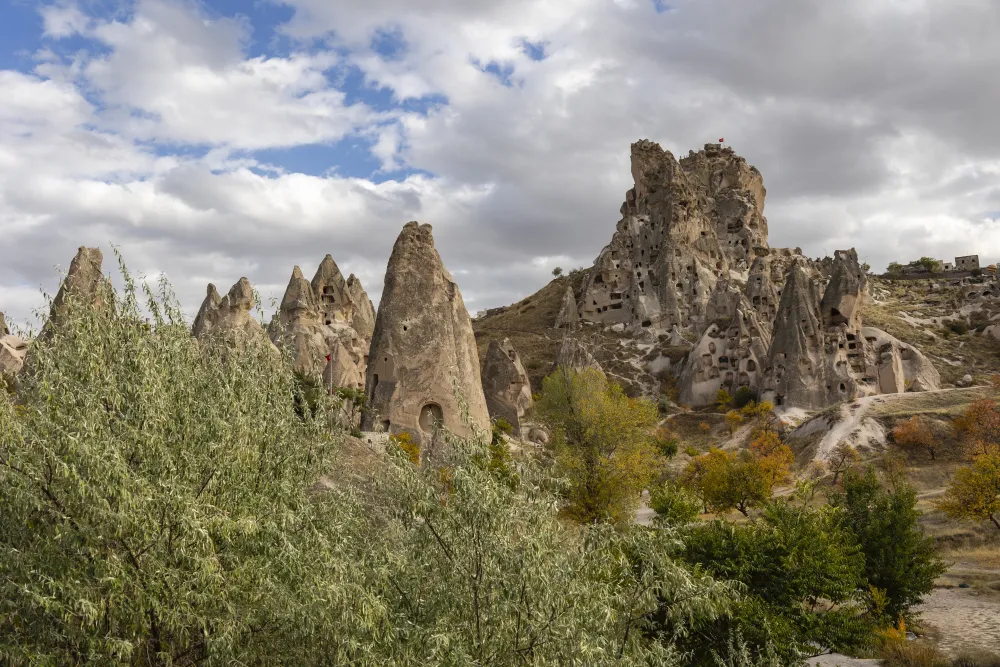
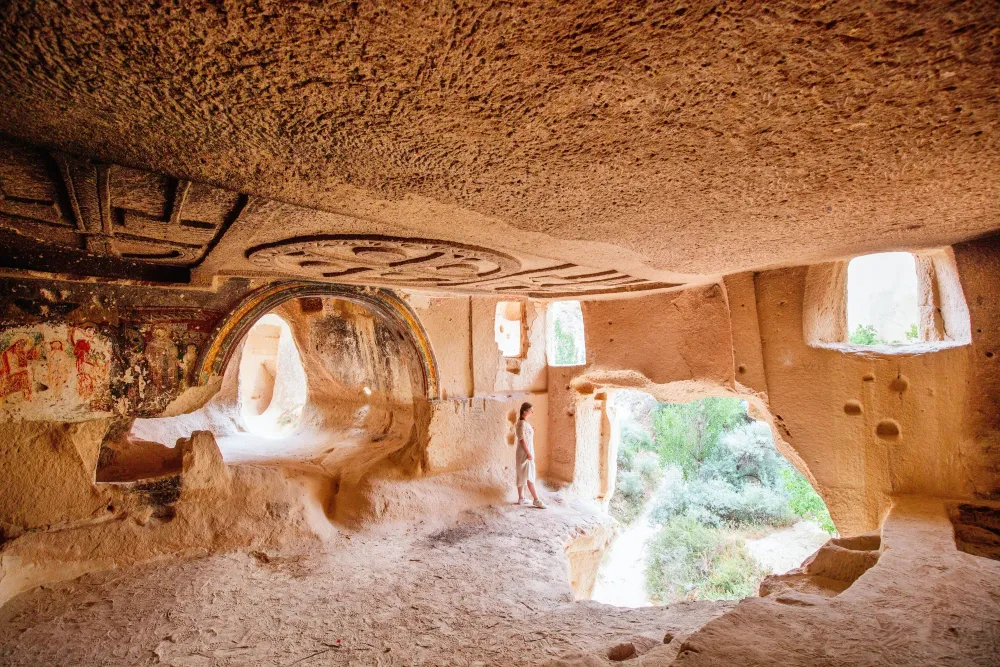
Cappadocia, a seaside town along the Mediterranean, or the bustling streets of
Istanbul, you will almost certainly be offered a glass of tea.
And you should always say yes.
The History of Turkish Tea
Although tea originated in China, it became deeply rooted in Turkish
culture in the 20th century. After the decline of the Ottoman Empire, coffee
became expensive and difficult to import. The newly established Turkish
Republic encouraged tea cultivation along the Black Sea coast, particularly
around the city of Rize.
Today, Turkey is one of the world’s highest tea-consuming nations per
capita. Tea plantations cover the lush green hills of the eastern Black Sea
region, creating one of the country’s most beautiful landscapes.
Turkish tea quickly transformed from an alternative to coffee into a
national tradition.
How Turkish Tea Is Prepared
Unlike many Western tea traditions, Turkish tea is brewed using a special
double teapot called a çaydanlık.
The system works like this:
-The lower pot holds boiling water.
-The upper pot contains strong brewed tea concentrate.
-When serving, the host mixes the concentrate with hot water to adjust the
strength.
Guests can choose:
-Açık çay – light tea
-Koyu çay – strong tea
This brewing method creates a rich, smooth, deep red tea with no milk
added. Turkish tea is traditionally served black, often with sugar cubes on the
side.
Why Turkish Tea Is Served in Small Tulip-Shaped Glasses
One of the most recognizable features of Turkish tea is the small,
tulip-shaped glass. The shape helps retain heat while allowing you to see the
tea’s deep ruby color — a sign of quality.
Tea is rarely served in large mugs. Instead, it is enjoyed slowly, often
refilled multiple times during long conversations.
The experience is less about quenching thirst and more about sharing time.
Tea as a Symbol of Turkish Hospitality
In Turkey, offering tea is a gesture of respect and welcome. You may be
offered tea:
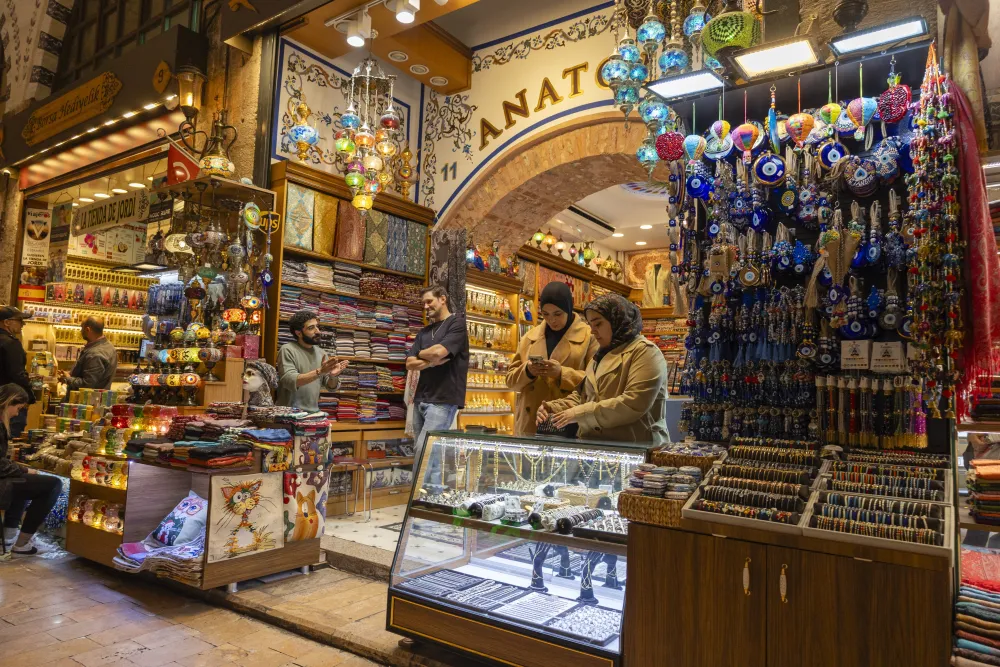
-At a local shop while browsing
-In someone’s home
-At a business meeting
-After a meal
-Even at a government office
Refusing tea is not considered rude, but accepting it often opens the door
to warmer interaction.
For travelers, this small glass of tea can lead to unforgettable
conversations and authentic cultural connections.
Tea Gardens: Where Life Slows Down
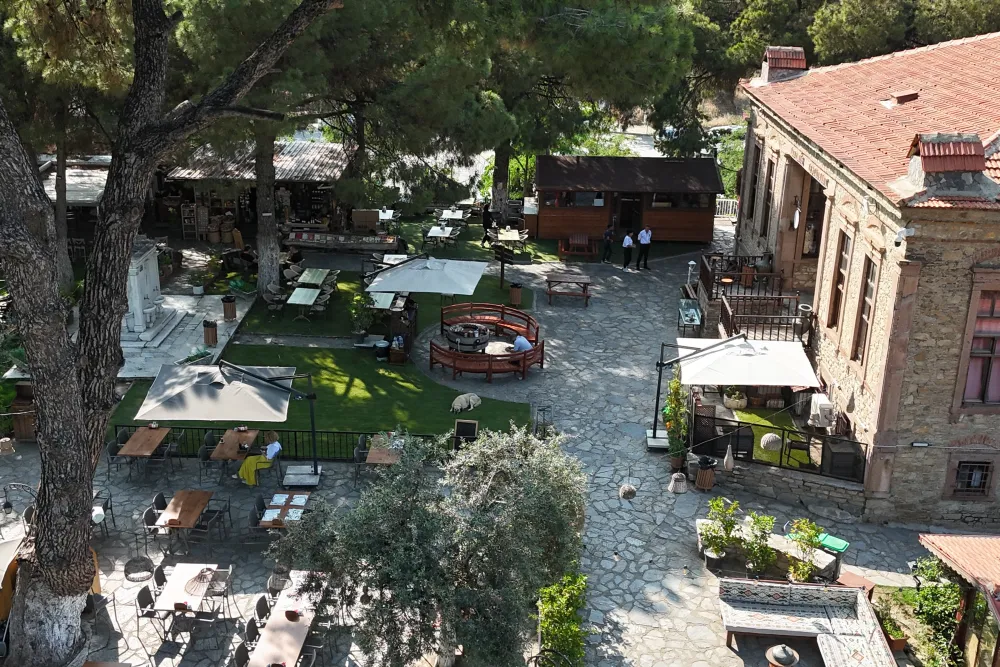
Across Turkey, especially in scenic towns and coastal areas, you will find tea
gardens (çay bahçesi). These open-air spaces are where locals gather to
talk, play backgammon, read newspapers, and watch the world go by.
In cities like Istanbul, tea gardens often overlook the Bosphorus. In
Cappadocia, you might sip tea while watching hot air balloons drift across the
valleys.
Tea gardens represent something deeply Turkish: the art of slowing down.
Turkish Tea vs. Turkish Coffee
Visitors often ask about the difference between Turkish tea and Turkish
coffee.
-Turkish coffee is intense, thick, and traditionally served after meals.
-Turkish tea is lighter and consumed throughout the day.
While coffee carries historical prestige from Ottoman times, tea has become
the true daily ritual of modern Turkey.
If coffee is ceremonial, tea is personal.
Experiencing Turkish Tea During Your Visit
The beauty of Turkish tea is that it is not reserved for special occasions.
It is everywhere — in village squares, ferry boats, markets, and family homes.
For many of our guests traveling across Turkey, tea becomes a quiet
highlight of the journey. After exploring ancient cities or walking through
vibrant bazaars, sitting down for a glass of tea often becomes the moment when
everything slows down and the culture truly sinks in.
Sometimes, the most authentic experiences are the simplest ones.
Final Thoughts: A Small Glass with a Big Meaning
Turkish tea is more than a national drink. It is a cultural language spoken
without words. It says:
You are welcome.
Sit down.
Let’s talk.
When you visit Turkey, don’t just see the landmarks. Accept the tea.
That small tulip-shaped glass may become one of your most memorable experiences.