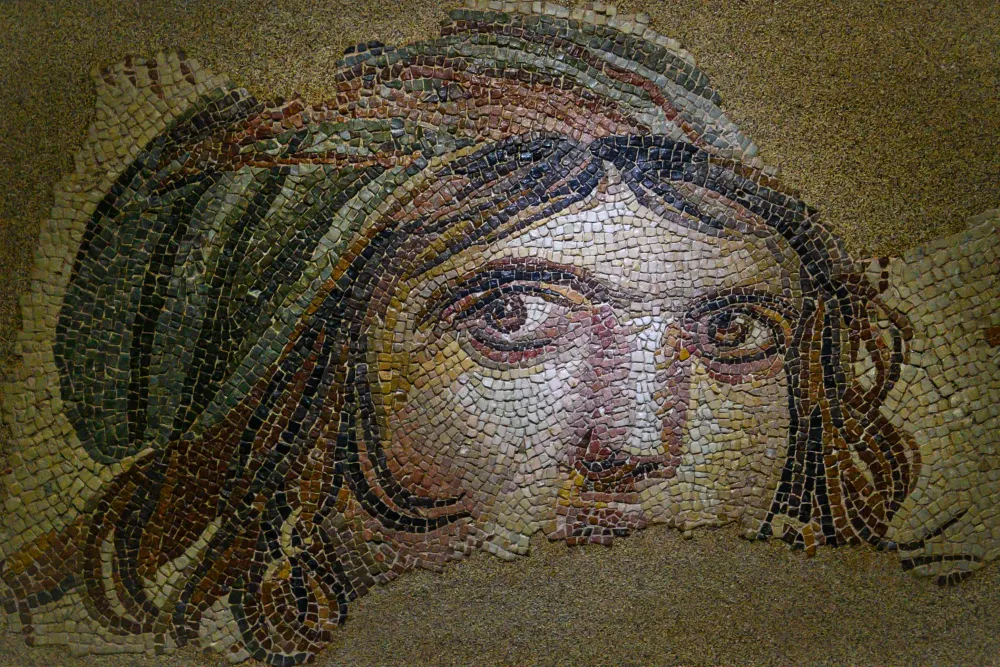
If you think you’ve seen mosaics before — in Rome, in Athens, maybe even in Istanbul — think again.
Because nothing quite prepares you for the moment you lock eyes with the “Gypsy Girl” at the Zeugma Mosaic Museum in Gaziantep.
And yes… she really does seem to follow you.
A Hidden Treasure in Southeastern Turkey
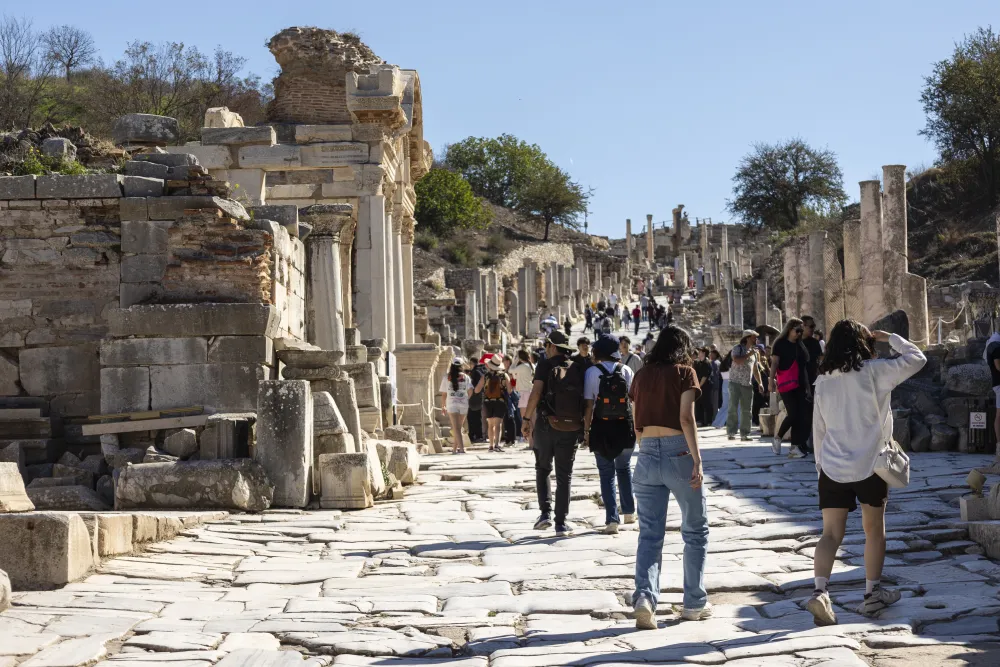
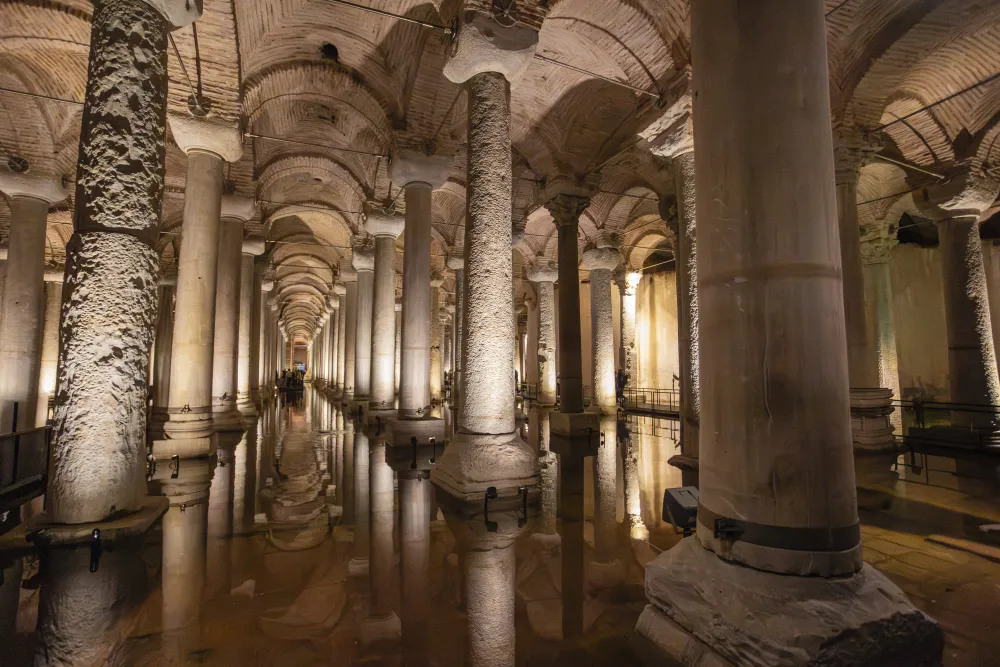
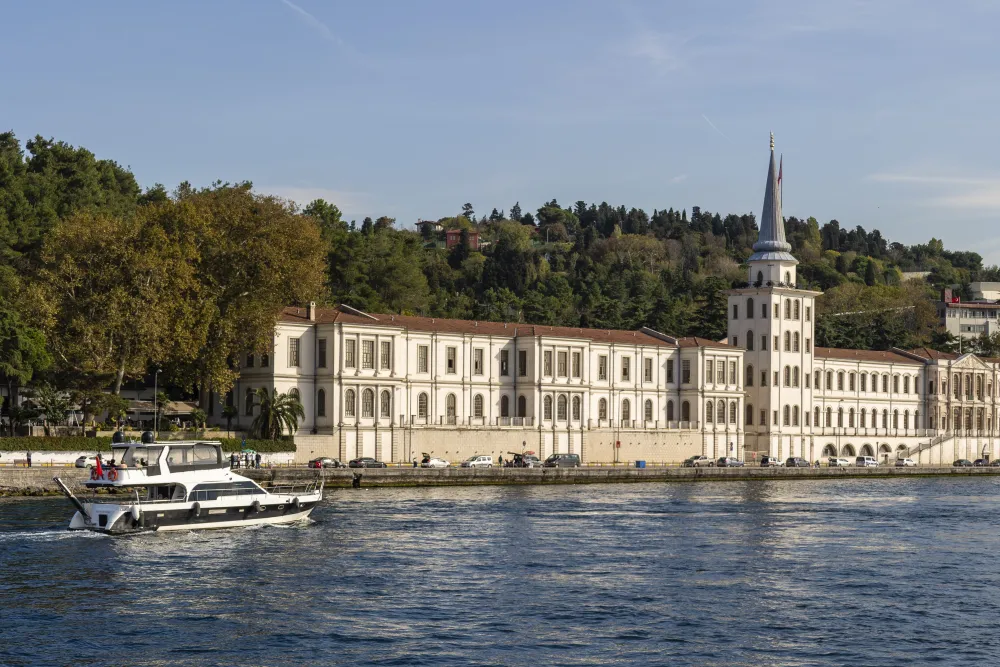
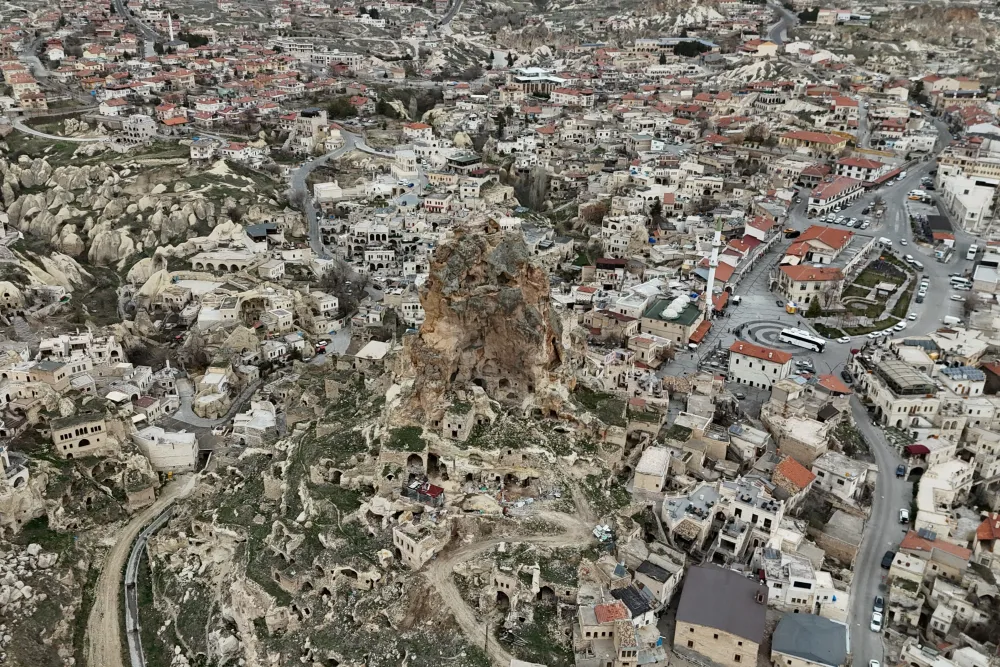
Most travelers visiting Turkey naturally think of Istanbul, Cappadocia, or Ephesus. But in the southeastern city of Gaziantep, near the Syrian border, stands one of the most impressive mosaic museums in the world.
The Zeugma Mosaic Museum is not just a museum.
It’s a rescued city.
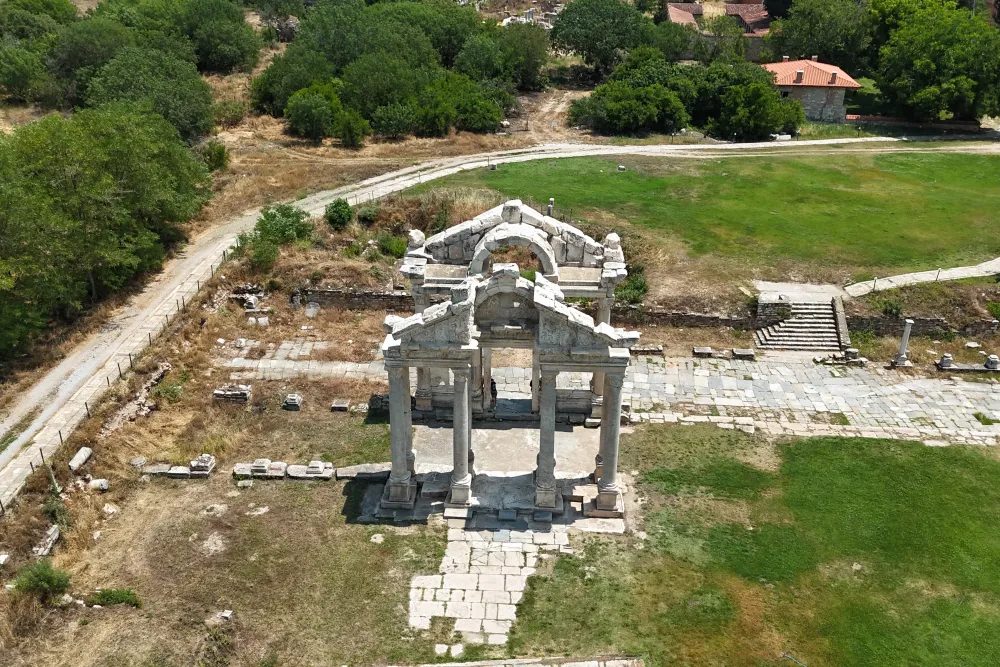
The ancient city of Zeugma was founded by one of Alexander the Great’s generals in the 3rd century BC. Positioned along the Euphrates River, it became a wealthy Roman settlement filled with luxurious villas decorated with elaborate mosaics.
When the Birecik Dam project threatened to submerge the ancient site, archaeologists rushed to excavate and save what they could. What you see today inside the museum is the result of that dramatic rescue mission.
And what they saved… is breathtaking.
The Gypsy Girl: The Face That Launched a Thousand Stories
At the heart of the museum is the world-famous mosaic known as the “Gypsy Girl.”
Despite the nickname, scholars believe she may represent a Maenad, part of the Dionysian cult. But labels don’t really matter when you stand in front of her.
The expression is haunting.
Mysterious.
Alive.
Her large, shadowed eyes seem aware of you. Visitors often grow quiet in this room. Some stay far longer than they planned.
It’s one of those rare travel moments where time slows down.
And it happens in southeastern Turkey — a region most people don’t yet have on their radar.
Roman Luxury on the Edge of the Euphrates
The mosaics in Zeugma were not public art.
They decorated private Roman villas.
These were the homes of wealthy merchants and officials living along a strategic trade route between East and West. Scenes from Greek mythology, ocean gods, banquets, and dramatic figures once covered the floors of elegant courtyards.
Walking through the museum feels like walking through the rooms of a Roman mansion.
You don’t just see art.
You see lifestyle.
Ambition.
Power.
Some panels are enormous — among the largest preserved Roman mosaics ever discovered. The level of detail is astonishing, from delicate facial expressions to flowing robes and moving horses.
For travelers interested in Roman history, archaeology, or art history, this museum rivals anything in Italy.
Why Travelers Are Often Surprised
Many visitors tell us the same thing:
“I had no idea this was here.”
And that’s exactly what makes it special.
Unlike the crowded corridors of larger European museums, Zeugma offers space. Time. Silence. You can stand alone in front of 2,000-year-old artwork and simply absorb it.
There are no overwhelming tour groups.
No rush.
Just you and history.
For travelers exploring Southeastern Turkey — especially those visiting Gobekli Tepe, Mount Nemrut, Mardin, or Sanliurfa — Gaziantep and the Zeugma Mosaic Museum fit perfectly into a cultural journey through ancient Mesopotamia.
Beyond the Mosaics: Why Gaziantep Deserves a Stop
Visiting Zeugma also gives you a reason to discover Gaziantep itself.
This city is famous for:
After exploring the museum, many travelers enjoy wandering through the old bazaar streets or sitting down for a long lunch of local specialties.
It’s a destination that combines archaeology and gastronomy — a rare and satisfying combination.
When to Visit the Zeugma Mosaic Museum
The museum can be visited year-round, but spring and autumn offer the most comfortable weather for exploring southeastern Turkey.
We usually recommend combining Zeugma with a broader Mesopotamian itinerary:
When thoughtfully designed, this region becomes one of the most culturally rich travel experiences in Turkey.
Final Thoughts: A Museum That Stays With You
Some museums impress you with scale.
Some with fame.
Zeugma impresses you with intimacy.
It’s not just about ancient floors preserved under glass. It’s about standing face to face with people who lived two millennia ago — and realizing how similar they were to us.
Their myths.
Their art.
Their desire to be remembered.
If you are looking to go beyond the typical Turkey itinerary and explore something extraordinary, the Zeugma Mosaic Museum is waiting.
And yes… those eyes are still watching.